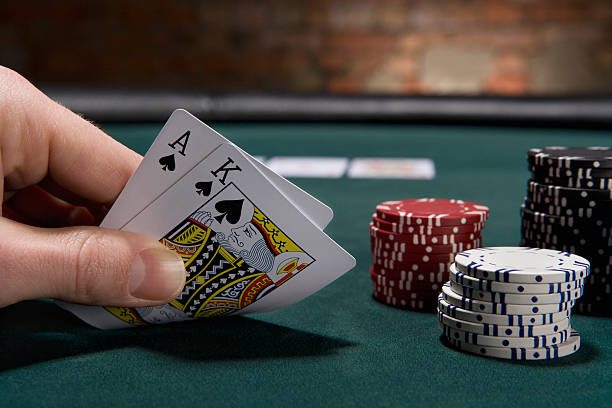

The Psychology Behind Bluffing
Understanding the psychological aspects of bluffing is foundational for any player looking to master this art in casino poker, especially when considering the importance of understanding mega888 rtp to enhance their strategies. Bluffing hinges on the concept of deception; players must convince their opponents that their hand is stronger than it is. This requires a good grasp of human psychology, as players often rely on their intuition and emotional reactions to read others at the table. Recognizing how opponents think and react can provide invaluable insights into when to bluff and when to hold back.
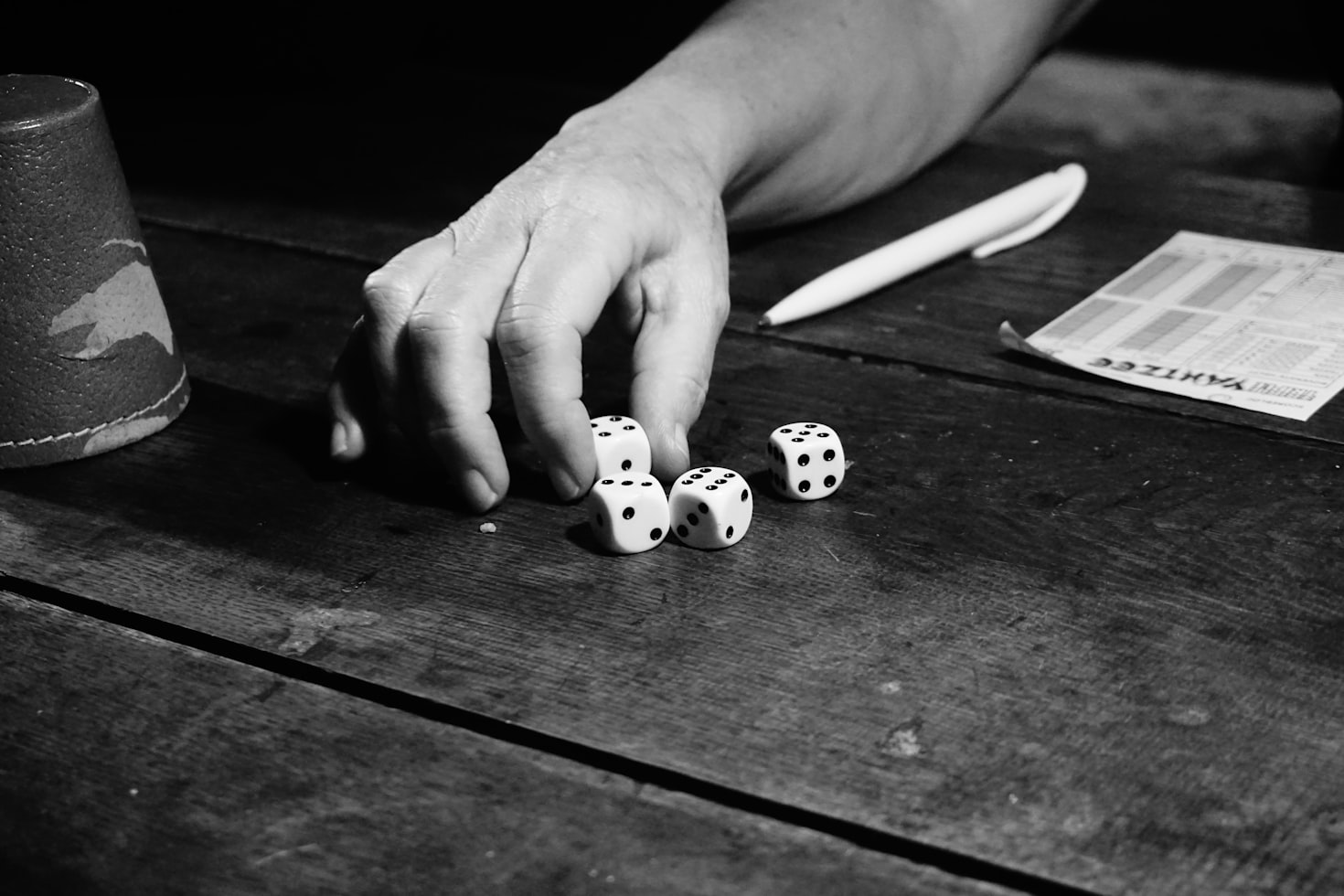
Moreover, players must also be aware of their own behavior during a bluff. The ability to maintain a consistent demeanor, regardless of the strength of one’s hand, can be pivotal. Subtle changes in body language, facial expressions, and vocal tone can give away a player’s intentions. Professional players often practice controlling these signals to ensure that they remain unreadable and can successfully deceive opponents.
In addition to personal psychology, understanding group dynamics at the poker table offers a strategic advantage. Different players will respond to pressure and deception in distinct ways. Some may easily be intimidated by a well-timed bluff, while others might become more aggressive in response to perceived weakness. Successfully bluffing requires players to adapt their techniques based on the personalities and playing styles of their opponents, enhancing their overall strategy and effectiveness.
When to Bluff: Identifying the Right Moments
Bluffing is not merely about making random aggressive moves; it requires timing and situational awareness. Knowing when to bluff can be the difference between a successful play and catastrophic loss. One common scenario for a successful bluff occurs when the player is in a late position, allowing them to gauge opponents’ actions before making their move. If earlier players show weakness by checking or folding, this is often an opportune moment to represent strength.
Another effective time to bluff is when the board texture can support a strong hand that fits with the community cards. For instance, if the board shows potential for a straight or flush, a player can credibly represent hitting that hand. However, bluffing in these situations requires a well-calibrated understanding of the opponents’ possible holdings. Experienced players will consider what each opponent might be thinking based on their betting patterns and tendencies.
Additionally, the frequency of bluffing is crucial to its success. If a player bluffs too often, opponents will catch on, rendering the bluff ineffective. The best strategy involves mixing in occasional bluffs with solid plays to maintain unpredictability. By varying the timing and nature of bluffs, players can maximize the chances of success, keeping opponents guessing about their true intentions and hand strength.
Techniques for Effective Bluffing
Once the timing is right, there are several techniques that players can employ to enhance their bluffing effectiveness. One popular approach is the ‘semi-bluff,’ where a player bets on a drawing hand with the potential to improve. This strategy not only puts pressure on opponents but also allows the player to have a legitimate chance of improving their hand if called, making it an attractive option for bluffing.
Another technique is to use a ‘double-barreling’ strategy, which involves making a bluff on both the flop and the turn. This method capitalizes on the perceived strength of the player’s initial bet and can often convince opponents to fold if they believe the player has connected strongly with the board. However, it requires careful consideration of the board texture and a good read on opponents’ reactions to maintain credibility.
Additionally, storytelling is an essential component of effective bluffing. Players need to construct a believable narrative about their hand through their betting patterns and actions. By betting consistently and logically, they can lead opponents to conclude that they have a strong hand. A well-told story not only adds depth to the bluff but also makes it easier for opponents to buy into the narrative, leading to more successful outcomes.
Reading Opponents: The Key to Successful Bluffing
Bluffing successfully in casino poker is also about reading opponents effectively. Players must develop the ability to observe their opponent’s betting patterns, body language, and reactions. For instance, watching for signs of nervousness or overconfidence can provide clues about an opponent’s hand strength. A player who is overly tense may be hiding a weak hand, while someone who is relaxed may have a strong hold.
Moreover, players should pay attention to the betting behavior of their opponents. An aggressive player might bluff frequently, making it essential to differentiate between genuine aggression and bluffs. Conversely, a timid player might be more prone to folding under pressure. Understanding these dynamics allows players to tailor their bluffing strategies accordingly, increasing the likelihood of a successful outcome.
In addition, utilizing tools such as poker software can aid players in analyzing historical data on betting patterns and behaviors. Analyzing trends over time can help players identify who frequently bluffs, who is more likely to fold, and under what conditions. This kind of preparation can significantly enhance a player’s capacity to bluff effectively and make informed decisions in real-time scenarios.
Enhancing Your Game with Online Resources
To truly master the art of bluffing in casino poker, players can benefit significantly from utilizing various online resources. Many platforms offer poker strategy guides, video tutorials, and forums where players can share their experiences and tactics. Engaging with these communities can lead to valuable insights and innovative techniques that can enhance a player’s bluffing game.
Additionally, online poker platforms often allow players to practice their skills in a risk-free environment. These environments provide an excellent way to experiment with bluffing techniques, refine strategies, and gain confidence without the pressure of losing real money. Players can analyze their performance and adjust their tactics accordingly, making them better equipped for live games.
Lastly, online coaching is an option for players wanting to elevate their game further. Professional coaches can offer personalized advice tailored to individual strengths and weaknesses. With targeted training, players can sharpen their bluffing skills, improve their reading abilities, and ultimately enhance their overall poker strategy. Investing time and effort into these resources can make a noticeable difference in a player’s success at the poker table.